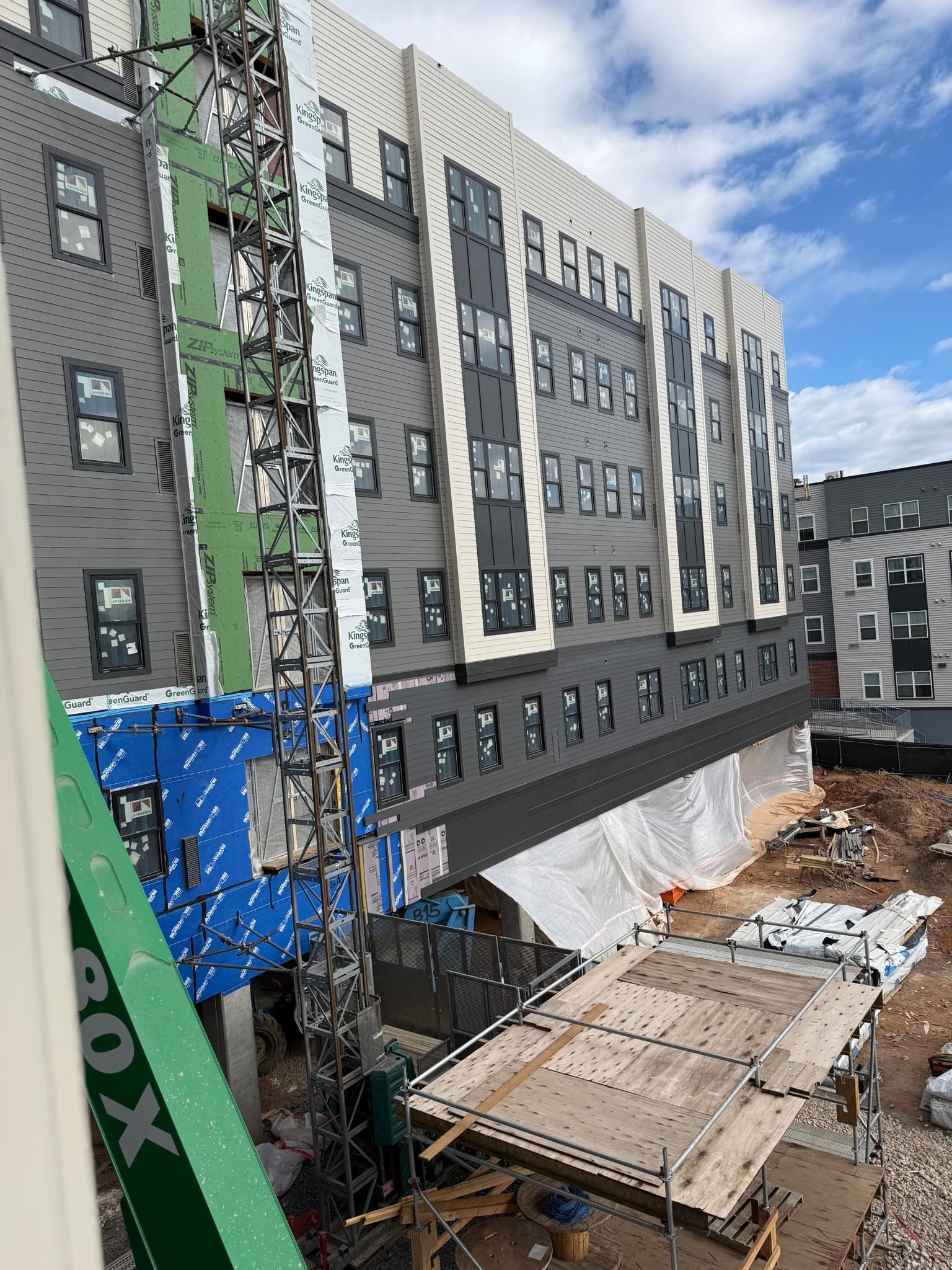
Whole Building
Blower Door
Testing
LES NRG is a commercial air leakage testing agency based in Philadelphia, PA. We perform multi-fan whole building blower door testing for new and existing commercial, industrial, and multifamily facilities of any size. ASTM E3158 and ASTM E779 compliant. Over 4,000 tests completed across PA, NJ, NY, and DE.
2021 IECC Compliance Testing
The 2021 International Energy Conservation Code (IECC) establishes mandatory air leakage testing requirements for new large commercial buildings. Under Section C402.5, buildings exceeding 25,000 sq ft of conditioned floor area must demonstrate a maximum whole-building air leakage rate of 0.40 CFM75 per square foot of gross above-grade wall area, tested at 75 Pascals per ASTM E3158.
For attached multifamily buildings up to three stories, Section R402.4.1.2 requires individual unit compartmentalization testing at 50 Pa with a maximum of 0.3 CFM50/ft² of unit enclosure area. Sampling is not permitted. Every unit must pass independently.
- Whole-building testing per ASTM E3158
- Unit compartmentalization per 2021 IECC § R402.4.1.2
- ASHRAE 90.1 compliance for commercial construction
- Signed engineering report accepted by AHJ
Many states and municipalities have adopted the 2021 IECC or equivalent. We verify the applicable code for your jurisdiction and deliver a report that satisfies your Authority Having Jurisdiction (AHJ).
Why Test an Existing Building?
Air leakage testing is not just a code checkbox for new construction. It is one of the most effective diagnostic tools available for identifying performance problems in existing buildings.
Energy Conservation
Uncontrolled air infiltration accounts for 25–40% of heating and cooling loads in commercial buildings. Whole building blower door testing quantifies the exact leakage rate, giving owners a clear baseline before investing in envelope improvements and measurable proof of savings afterward.
Moisture & Mold
Air movement through the building envelope carries moisture into wall cavities and interstitial spaces. In cold climates this leads to condensation, rot, and mold growth that is often invisible until structural damage has occurred. Pressurization testing locates the breach before it becomes a costly repair.
Indoor Air Quality
Uncontrolled infiltration introduces unconditioned, unfiltered outside air including pollutants, allergens, and vehicle exhaust, directly into occupied spaces. Identifying and sealing major air pathways improves occupant health and reduces the load on mechanical ventilation systems.
Renovation & Re-Commissioning
After a major renovation, addition, or mechanical system upgrade, a post-construction blower door test confirms that the work performed actually improved the envelope. It also supports LEED, ENERGY STAR, and local incentive programs that require verified performance documentation.
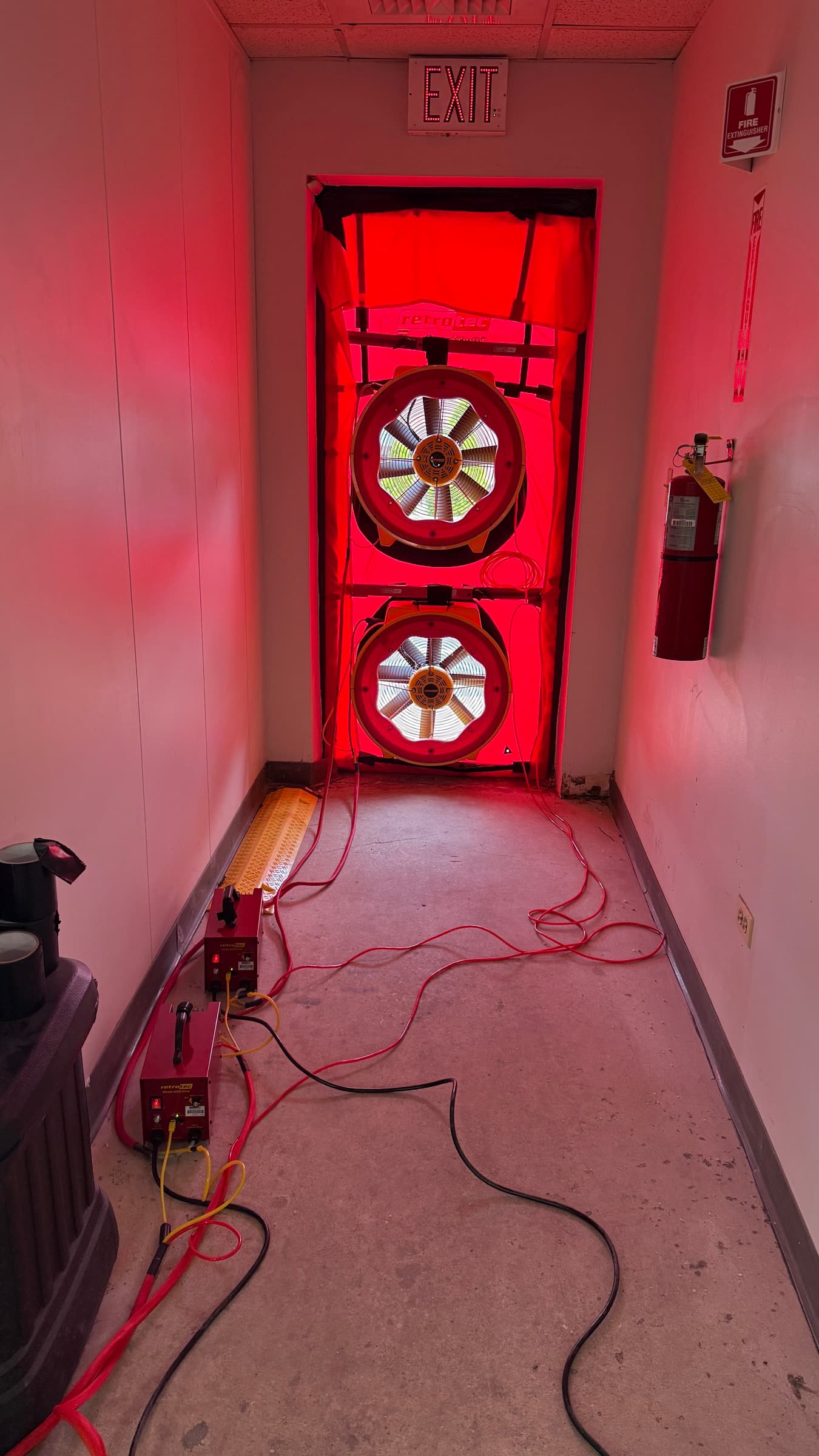
Building Types We Test
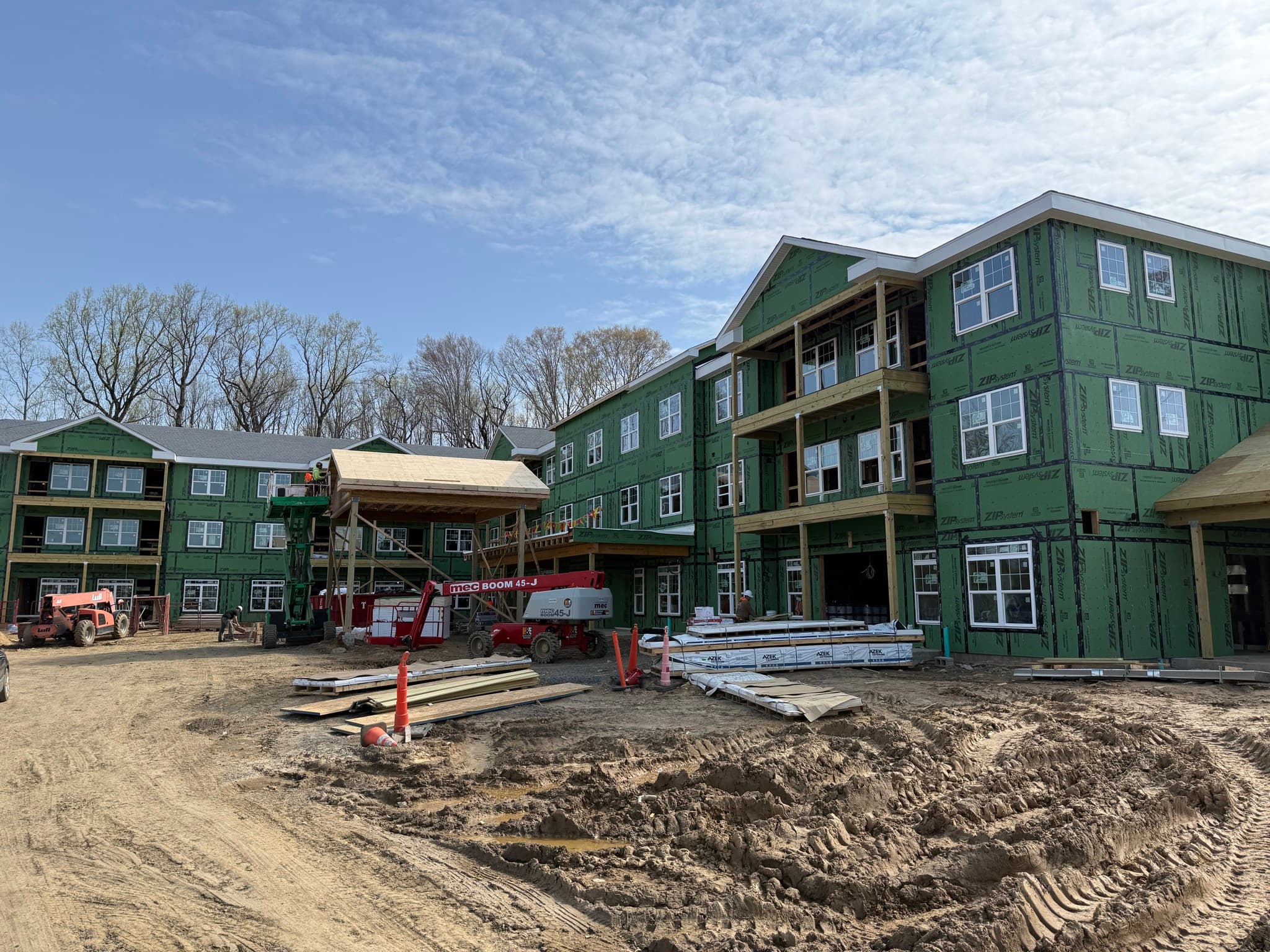
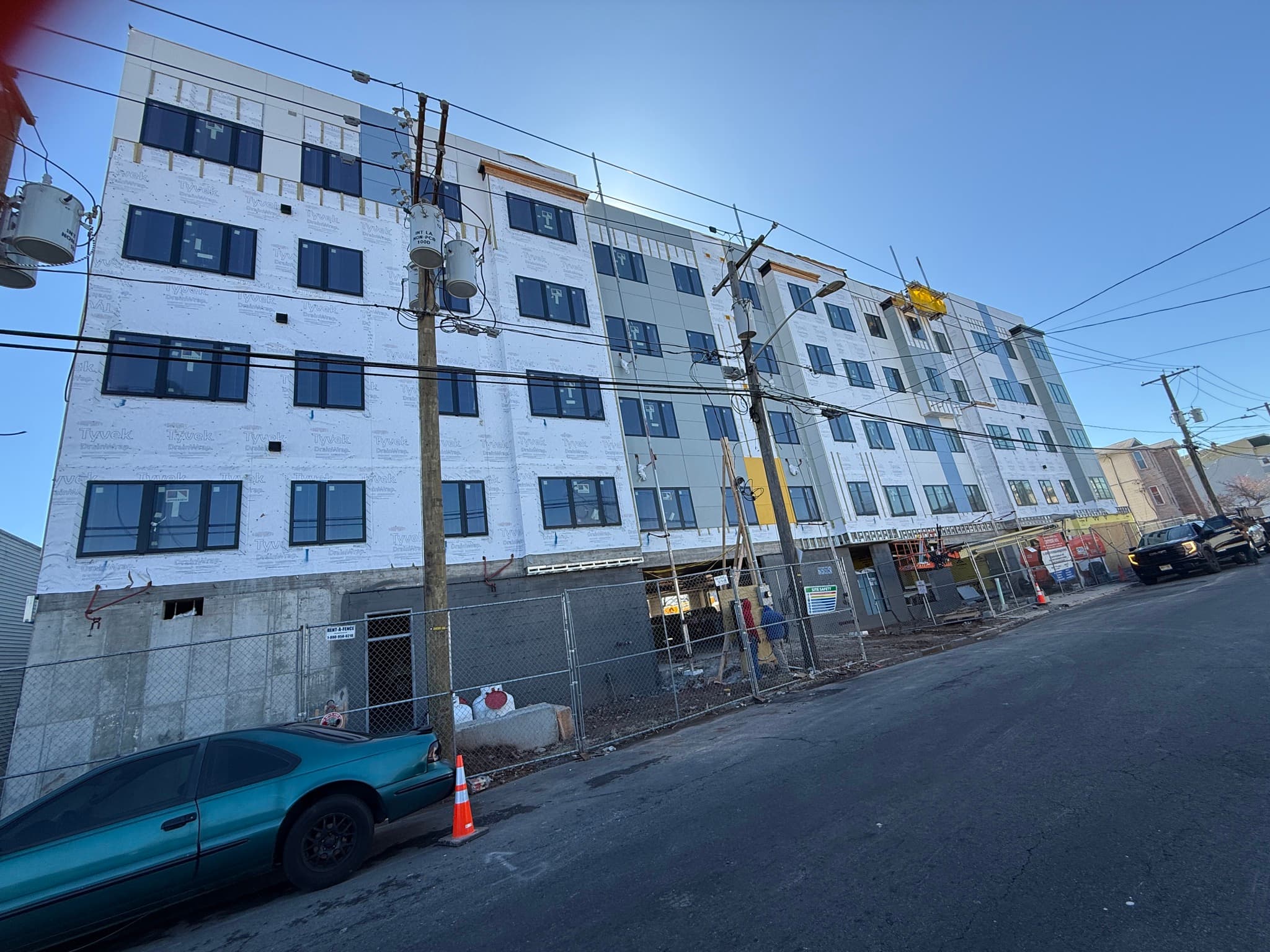
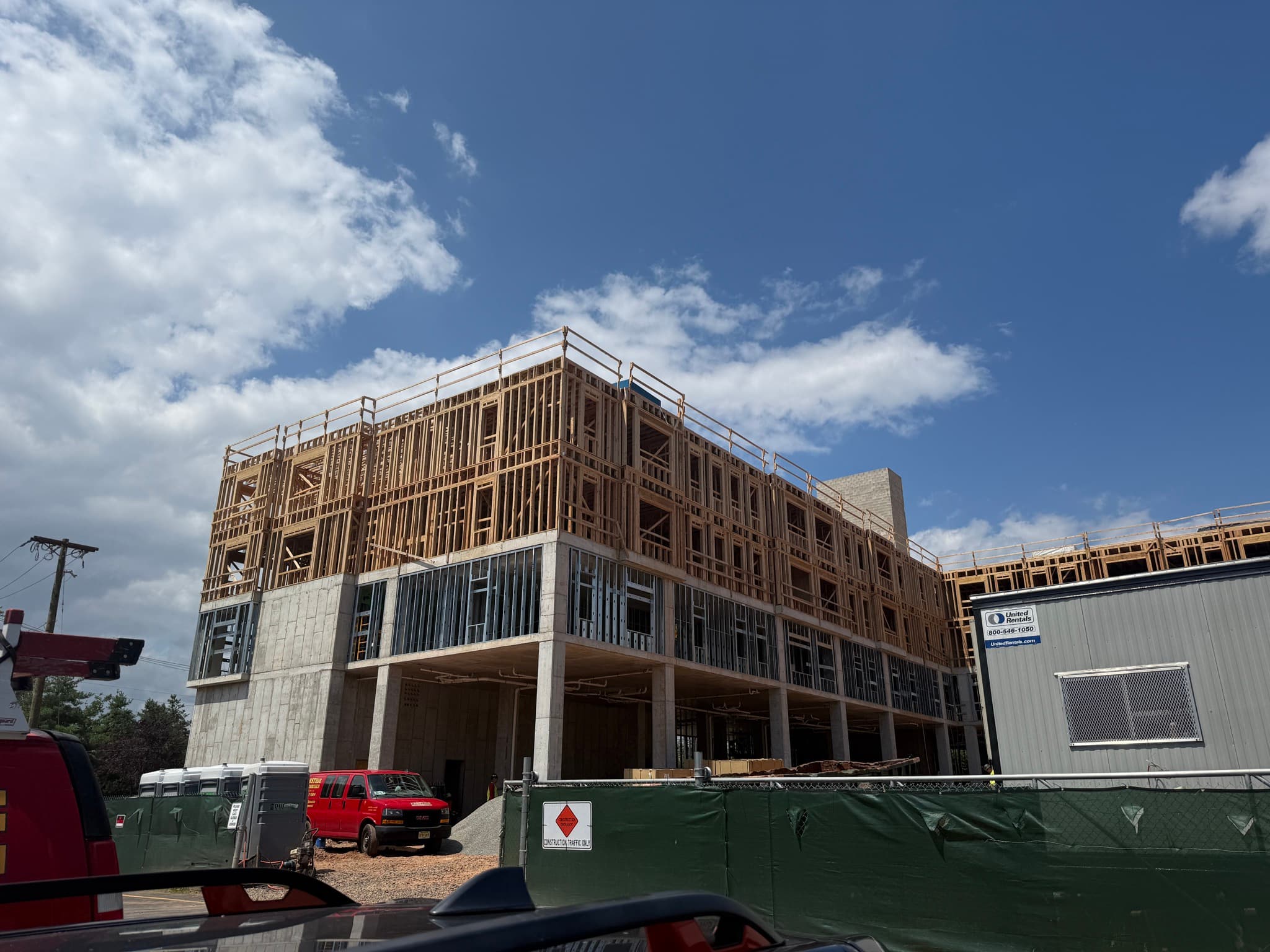
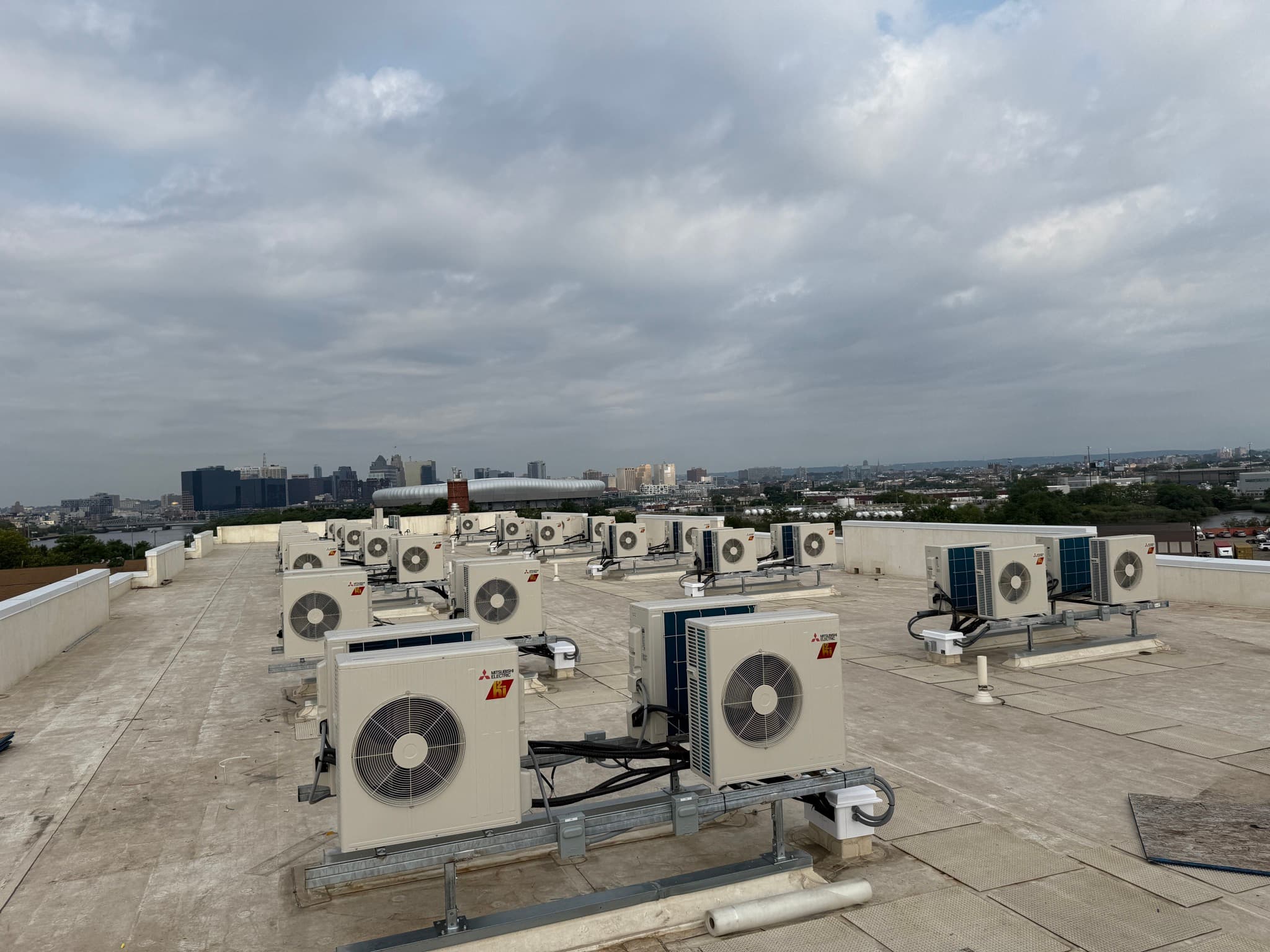
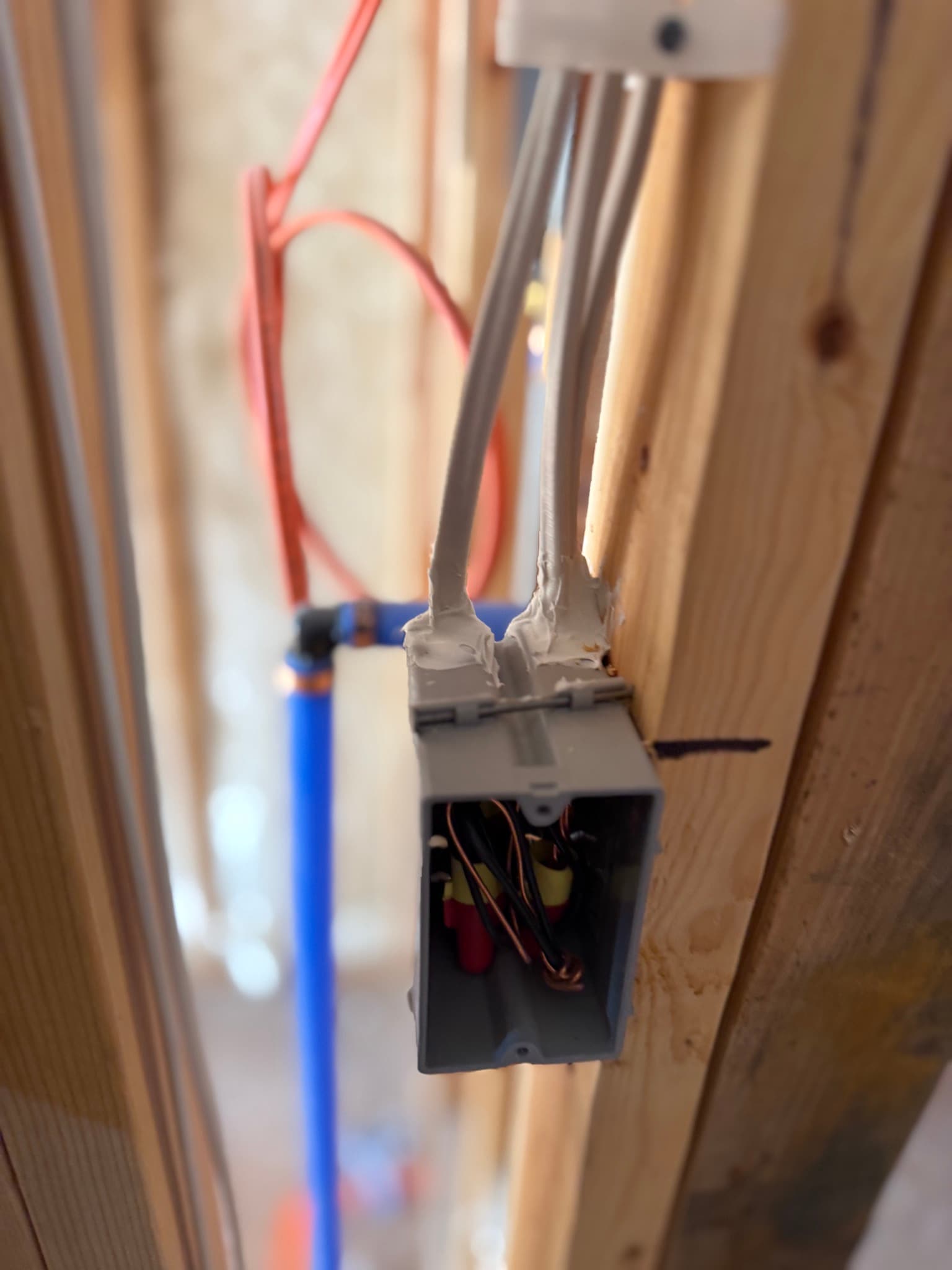
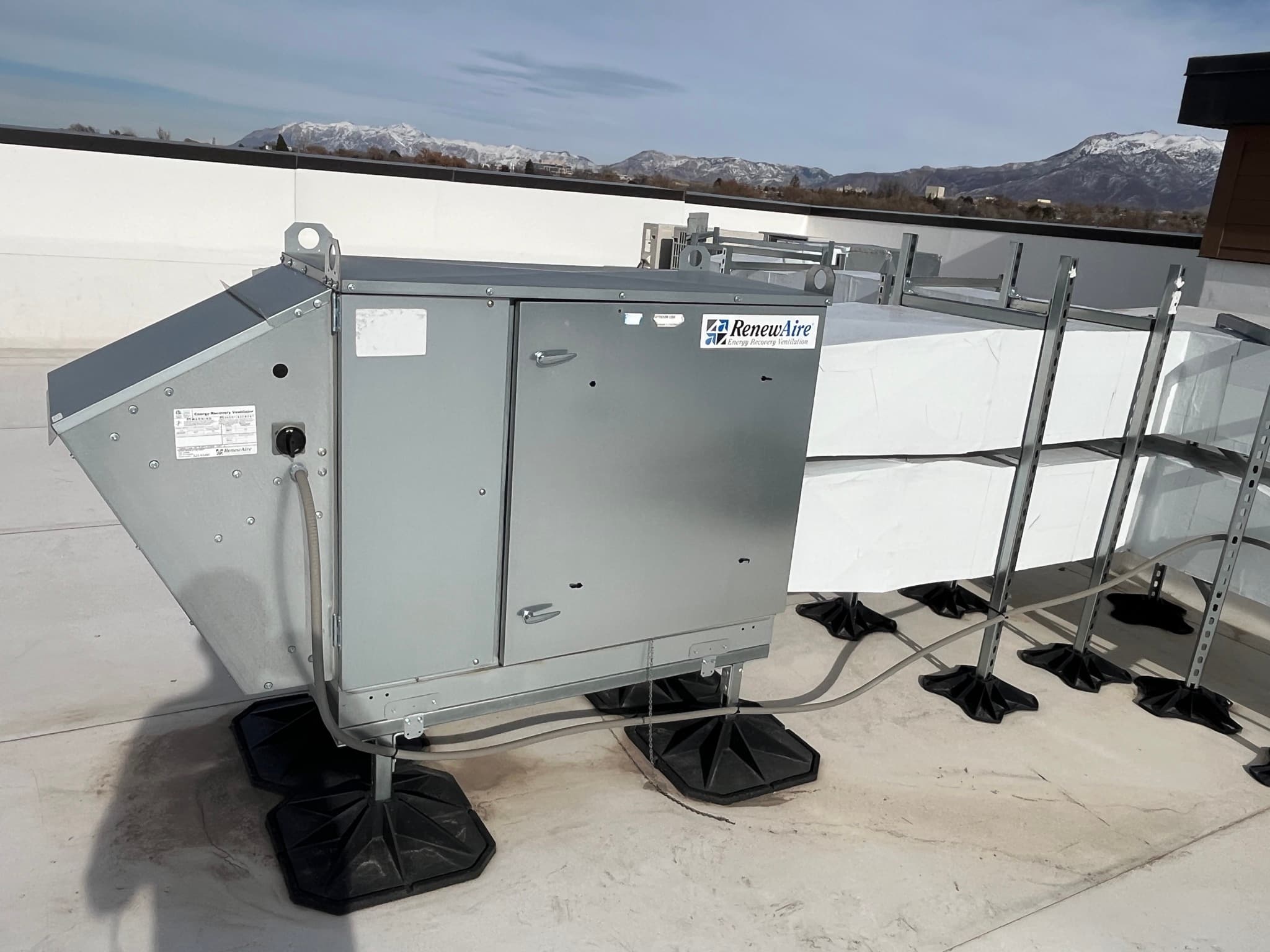
Our Testing Process
Test Coordination
We walk the building with the project team, reviewing drawings, mechanical systems, and envelope details, then deliver a comprehensive testing plan covering fan array configuration, access points, preparation requirements, and scheduling.
Building Preparation
Once the scope is agreed upon, we execute a contract and coordinate with the project team to prepare the building for testing. This includes sealing intentional openings including HVAC dampers, exhaust fans, and penetrations, and establishing safe test zones.
Equipment Setup
Deploy and calibrate the fan array across multiple openings, synced to centralized data acquisition.
Running the Test
Run pressurization and depressurization sequences, collecting CFM at multiple pressure differentials.
Data & Results Interpretation
Systematic envelope survey under pressure, optionally combined with IR thermography, followed by analysis of all collected data.
Reporting Test Results
Engineering report delivered within 5 business days with results, compliance status, and remediation guidance.
What You Receive
Engineering report delivered within 5 business days of on-site testing.
- Pass/fail compliance summary
- CFM50, ACH50, and ELA results
- Code compliance analysis (ASHRAE 90.1, IECC)
- Leak location mapping
- IR thermography images (if selected)
- Prioritized remediation recommendations
- Post-remediation verification available
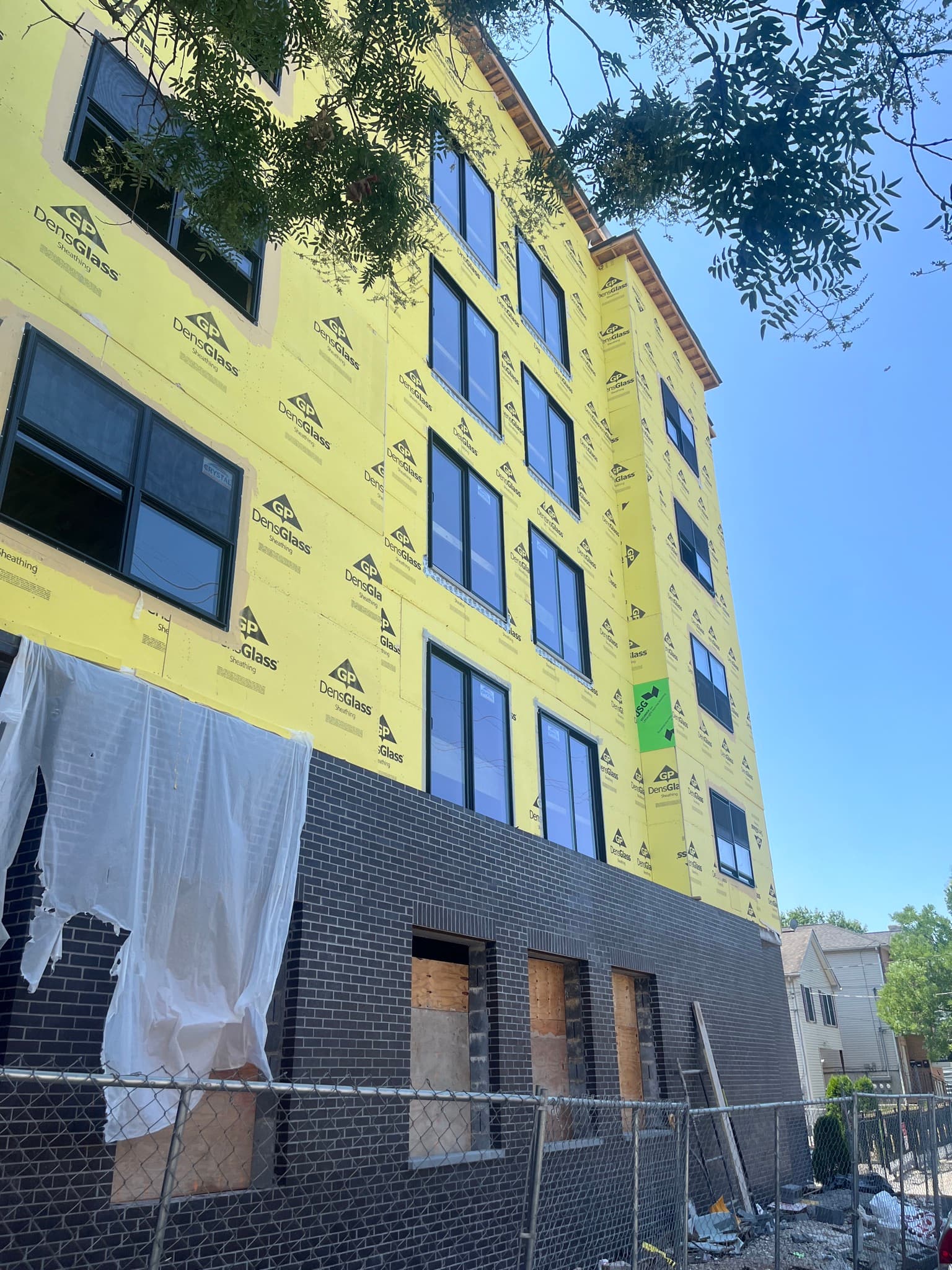
Two Test Preparation Types
ASTM E3158 provides two preparation options depending on the purpose of the test. The correct preparation is determined by the applicable code, specification, or green standard — and must be agreed upon before testing begins.
Building Envelope Preparation
Used when the goal is to test the air barrier itself — the most common method for code compliance. All intentional openings in the building envelope are sealed.
- All HVAC dampers closed; openings sealed
- Natural ventilation openings sealed
- Exhaust fans, dryer vents, and penetrations sealed
- Floor drains and plumbing traps filled with water
- Windows, exterior doors, and roof hatches closed and latched
- Interior doors left open to ensure uniform pressure
Operational Envelope Preparation
Used when the goal is to test the building in its as-operated condition — typical for energy benchmarking, commissioning, or occupied building tests.
- HVAC dampers closed as they would be during normal operation
- Openings without dampers left as found
- Interior doors that are normally closed remain closed and latched
- Other interior doors left open
- Dryers left as found; vent sealed only if dryer not installed
- Floor drains and plumbing traps filled with water
Safety Requirements on Test Day
All gas appliances, furnaces, fireplaces, and boilers must be powered off. Depressurization can cause backdrafting and draw combustion gases into the building.
Set fire alarm systems to test mode before starting. Construction dust or diagnostic smoke machines can trigger alarms during pressurization.
Fill all floor drains and plumbing fixture traps with water prior to testing. Pressure differentials can draw sewer gases through dry traps.
Confirm all fan blade guards are undamaged. Use one fan per electrical circuit to avoid tripped breakers. Keep cords clear of foot traffic.
Air Leakage Thresholds by Code & Standard
Requirements vary by jurisdiction, building type, and intended use. Where jurisdictional requirements and project specifications conflict, the more conservative requirement governs. Always verify the applicable code before testing.
Compliance option; applies to most jurisdictions adopting the 2018 IECC or later.
Energy standard compliance option. ASTM E779 or E3158 accepted.
Mandatory energy code requirement; among the most stringent in the US. Failure requires repair and retest.
Mandatory energy code requirement. Larger or taller buildings have separate requirements.
Army Corps of Engineers protocol. Multi-point test required; test pressure 50–85 Pa, reported at 75 Pa.
0.40 CFM75/ft² earns points; higher performance (0.25 CFM75/ft²) earns additional credits. Retest required if over 0.60.
≥5 stories: 0.10 CFM75/ft² or 0.08 CFM50/ft². Lower buildings: 0.08 CFM75/ft² or 0.06 CFM50/ft².
Standard specification language for projects without a jurisdictional requirement. Repair and retest if exceeded.
Tiered requirements: T1 = 0.25, T2 = 0.15, T3 = 0.10 CFM75/ft² depending on project type.
2021 IECC mandatory for permits filed on or after January 13, 2026. Section C401.3 requires a Thermal Envelope Certificate to be permanently posted in the building documenting insulation R-values, fenestration U-factors, and air leakage test results.
Commercial Thermal Envelope Certificate
Philadelphia adopted the 2021 International Energy Conservation Code, effective for permit applications filed on or after January 13, 2026. Under Section C401.3, all new commercial construction must complete a Commercial Thermal Envelope Certificate — a permanent document that must be posted in the building and submitted to the Authority Having Jurisdiction.
The certificate documents the entire thermal envelope as built, including verified air leakage test results. Testing must be conducted per ASTM E779, ASTM E3158, or an equivalent method approved by the code official. The maximum permitted air leakage rate for commercial buildings is 0.40 CFM75/ft² of gross above-grade wall area.
- Insulation R-values for all opaque envelope assemblies
- U-factors and SHGCs for all fenestration
- Verified air leakage test results from a qualified tester
- Area-weighted averages required where multiple values exist
- Certificate must be permanently posted in an approved location
We perform the air leakage testing required to complete the certificate and deliver results in the format accepted by the Philadelphia Department of Licenses and Inspections.
Testing Standards
Primary standard for measuring the air leakage rate of large or multizone buildings. Evolved from the USACE protocol and ABAA standard. Provides multi-point, repeated two-point, and repeated single-point procedures. Recommended reporting pressure: 75 Pa.
Standard test method for determining air leakage rate by fan pressurization. The default standard in IECC and many North American jurisdictions. Limited to single-zone buildings; requires interior doors to be open. Multi-point method only, test range 10–60 Pa.
Canadian standard for determination of the airtightness of building envelopes by the fan depressurization method. Includes closed-up and as-operated preparations. Maximum 60 Pa for multi-point; 50 ± 3 Pa for single- and two-point methods.
International standard for thermal performance of buildings — determination of air permeability by fan pressurization. Commonly specified in European projects. Multi-point method, test range up to 100 Pa, reporting reference at 50 Pa.
US Army Corps of Engineers Air Leakage Test Protocol for Building Envelopes. Developed for large military buildings; the precursor to ASTM E3158. Multi-point method, induced test pressure 50–85 Pa, reporting reference at 75 Pa.
Multifamily Unit Compartmentalization Testing
The 2021 IECC requires each dwelling unit in attached multifamily buildings to be tested and pass independently. Sampling is not permitted. This applies to attached dwellings up to three stories under the residential provisions.
Unit Enclosure Area
Leakage is measured against the combined surface area of all six bounding surfaces, including floors, ceilings, exterior walls, and party walls shared with adjacent units, corridors, or stairwells. This surface-area metric is better suited to multifamily geometry than ACH50, which penalizes units with little exterior exposure.
How the Test Works
- Blower door installed in the unit entry door
- Unit windows and exterior doors remain closed
- Adjacent unit doors and windows opened to outside
- Unit depressurized to 50 Pa; CFM50 divided by enclosure area
- Each unit passes or fails independently
Common Questions
Can you perform unit compartmentalization testing for multifamily buildings?
Yes. The 2021 IECC (Section R402.4.1.2) requires each dwelling unit in attached multifamily buildings up to three stories to pass an individual compartmentalization test at 50 Pa. The limit is 0.3 CFM50 per square foot of unit enclosure area, including all floors, ceilings, and walls surrounding the unit. We test each unit individually and deliver per-unit results for code compliance.
How long does testing take?
Large buildings (200,000–1,000,000 sq ft) typically require 1–3 days on-site including setup, testing, and leak survey. We schedule around your operations.
Can you test occupied buildings?
Yes. We use carefully managed pressurization protocols suited to partially or fully occupied facilities, coordinating with building management to minimize disruption.
How is this different from a residential blower door test?
Residential testing follows ASTM E779, using one fan producing 2,000–5,000 CFM. Large building testing follows ASTM E3158, which may require 50,000–200,000+ CFM. We deploy arrays of 2–20+ calibrated fans with centralized data acquisition built for large volumes.
A Challenge Unique to Tall Buildings
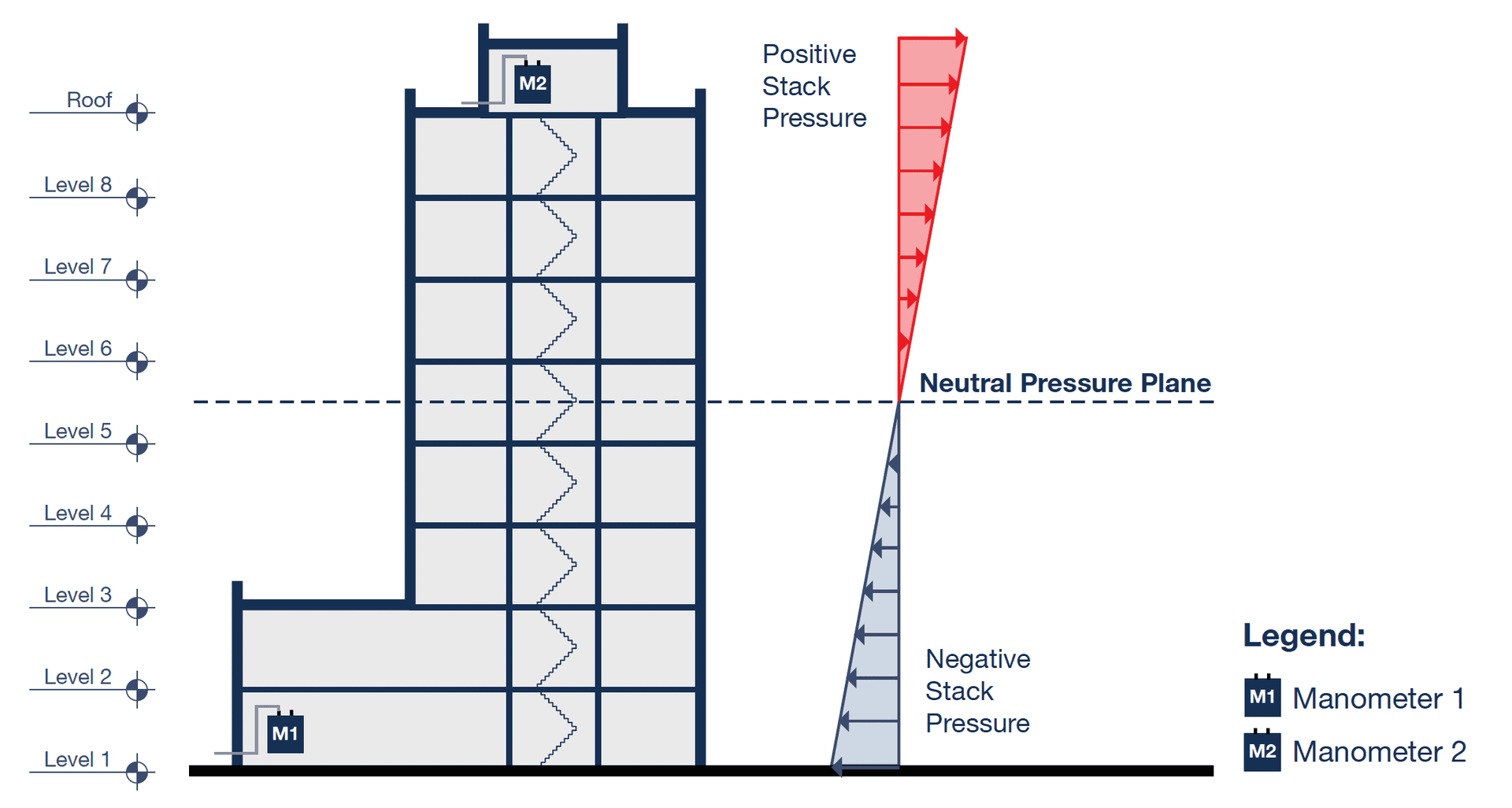
Stack effect is the pressure-driven movement of air through a building caused by temperature differences between inside and outside. In taller buildings, warm air rises and escapes through upper floors and the roof while cold outside air is drawn in at lower levels — or vice versa in summer. The taller the building, the greater the pressure differential.
This constant pressure gradient masks air leakage measurements and can make it impossible to accurately test the building envelope without accounting for it. A test performed without correcting for stack effect will produce unreliable results — either overstating or understating actual leakage.
ASTM E3158 addresses this directly. By deploying manometers at multiple floors simultaneously — typically at grade level and at the roof — we measure the actual pressure differential across the building height during the test. This data is used to correct the fan pressurization readings and produce a true, stack-effect-compensated air leakage result.
Ready to Schedule Your Test?
Share your building size and location and we'll put together a scope and estimate within one business day.
Request a Quote