
Precision Testing for High Performance Buildings
Independent PHIUS verification services for Passive House projects. Third-party inspections, airtightness testing, and full certification support from design through certificate.
What Makes PHIUS Certification Different
PHIUS+ 2021 is the most rigorous building energy standard available in North America. Unlike code minimum compliance or even Energy Star, PHIUS sets climate-specific limits on annual heating and cooling demand, peak loads, and total source energy, not just prescriptive measures like insulation R-values.
The result is a building that uses 60–80% LES NRG than code minimum, maintains exceptional comfort without oversized mechanical systems, and outperforms conventional construction in resilience, indoor air quality, and long-term durability.
Third-party verification is mandatory. PHIUS requires an approved, credentialed verifier to conduct all inspections and submit documentation. No self-certification is permitted.
Climate-Specific Performance Targets
PHIUS sets heating and cooling demand limits specific to your project's climate zone, not one-size-fits-all thresholds that over-specify in mild climates and under-specify in cold ones.
Independent Third-Party Verification
Every PHIUS project requires a credentialed verifier. We conduct on-site inspections, blower door testing, and submit all documentation directly to PHIUS on your behalf.
Multi-Program Alignment
PHIUS certification can simultaneously satisfy Energy Star, DOE Zero Energy Ready Home, and Indoor airPlus, reducing total documentation burden across programs.
Standards & Programs
The current PHIUS standard sets climate-specific heating and cooling load limits and source energy budgets, the most rigorous residential energy standard available in North America.
Blower door airtightness testing protocol required as part of PHIUS certification. PHIUS targets 0.06 CFM50/ft² of enclosure area, far tighter than code minimum.
Mechanical ventilation standard that PHIUS projects must comply with to ensure controlled fresh air delivery in ultra-airtight buildings.
PHIUS certified projects can simultaneously satisfy Energy Star for New Homes and DOE Zero Energy Ready Home requirements with a single verification pathway.
Our Verification Process
Pre-Construction Review
We review your energy model, architectural drawings, and mechanical plans to confirm PHIUS compliance pathways before construction begins.
Energy Model Verification
Your WUFI Passive or PHIUS-approved energy model is reviewed for accuracy against approved component data and site conditions.
Rough-In Site Inspection
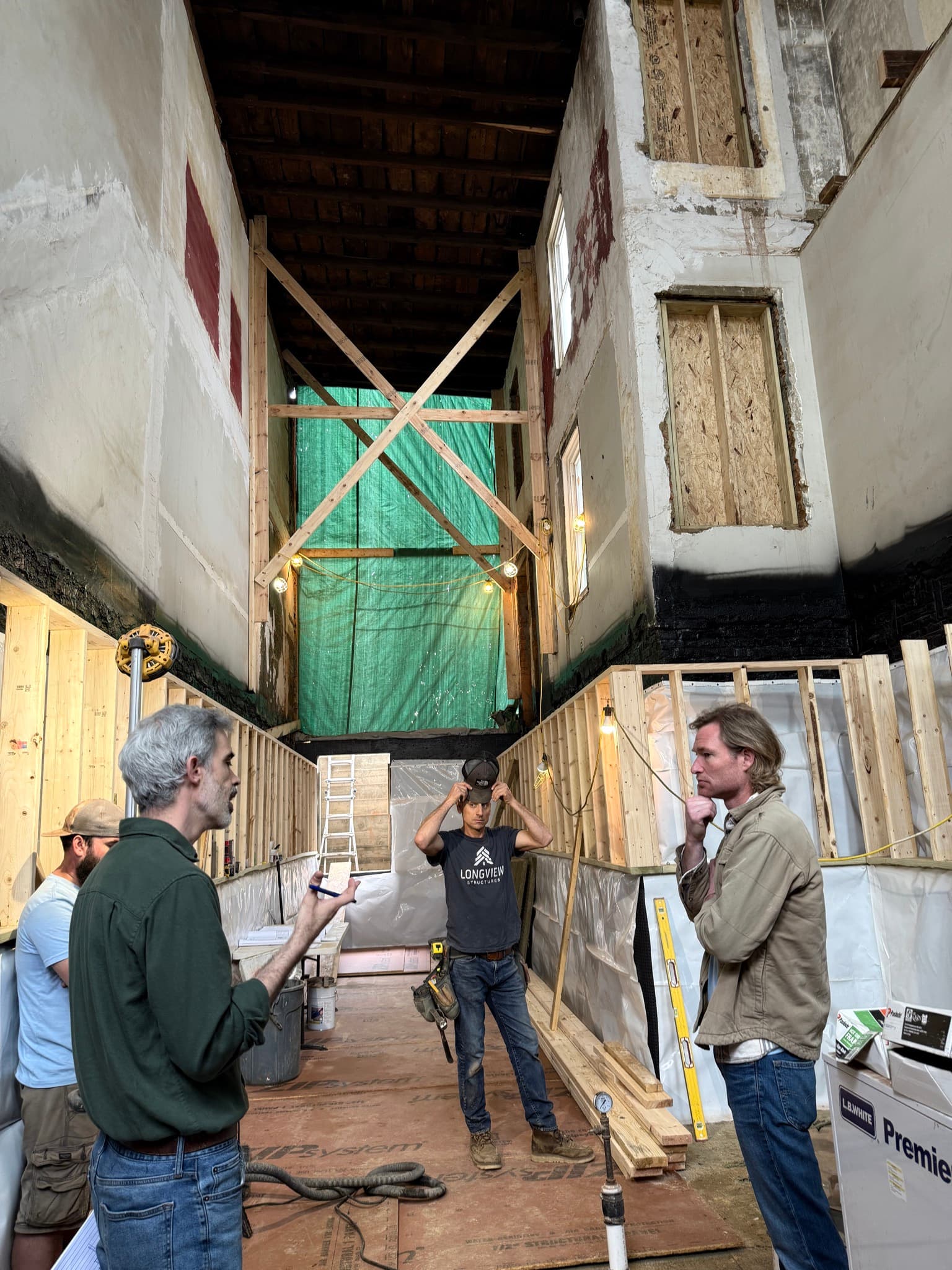
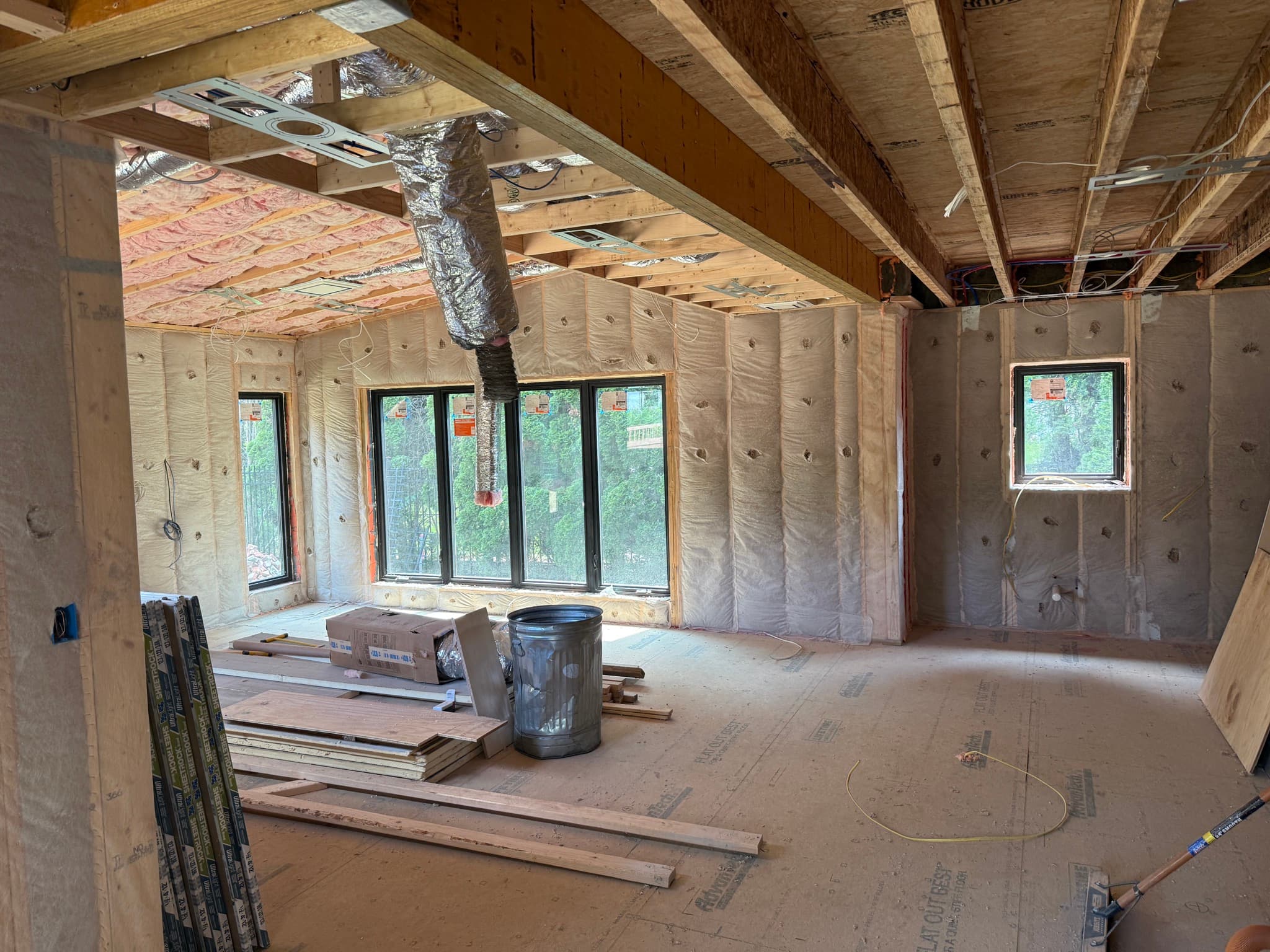
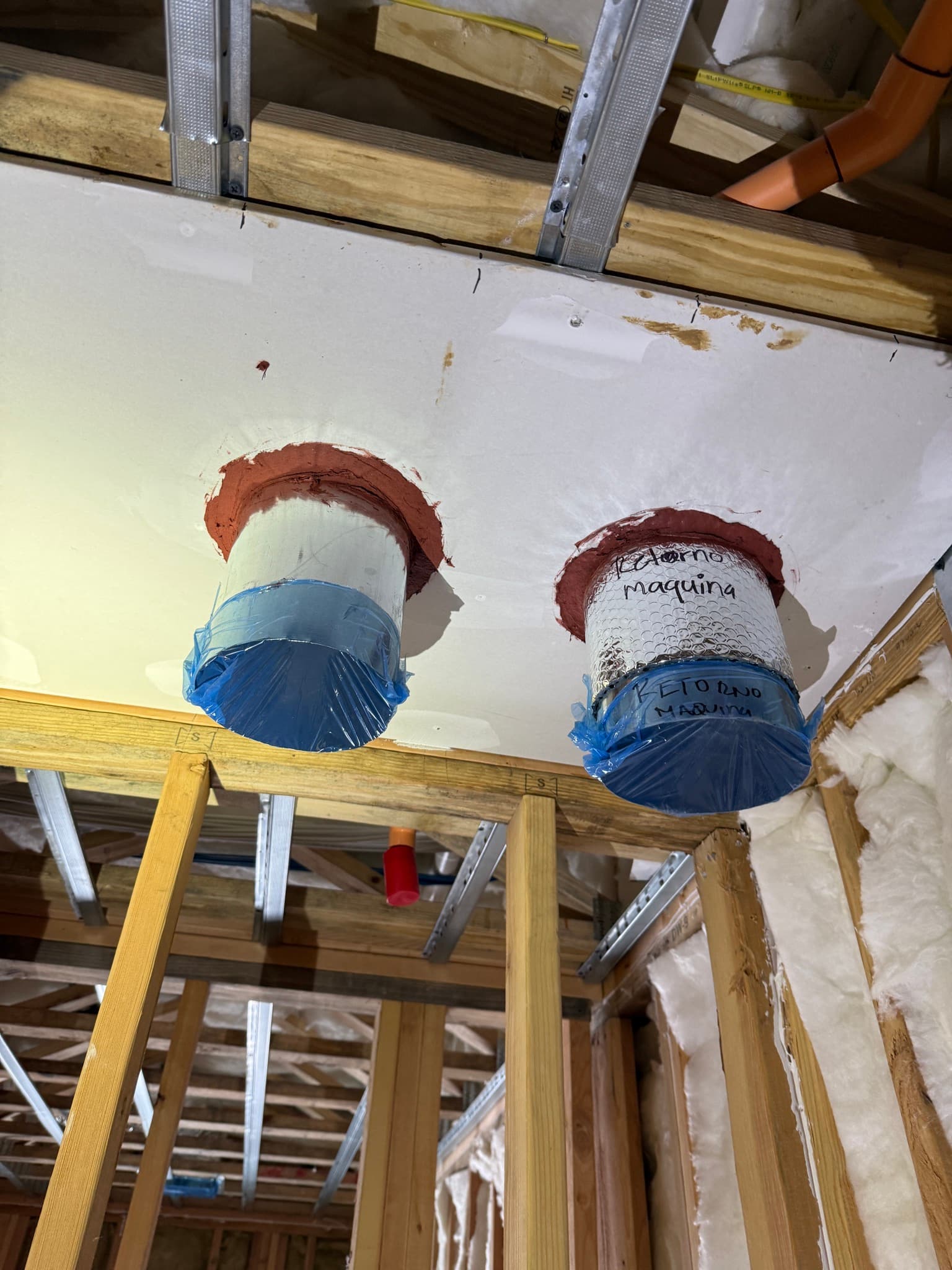
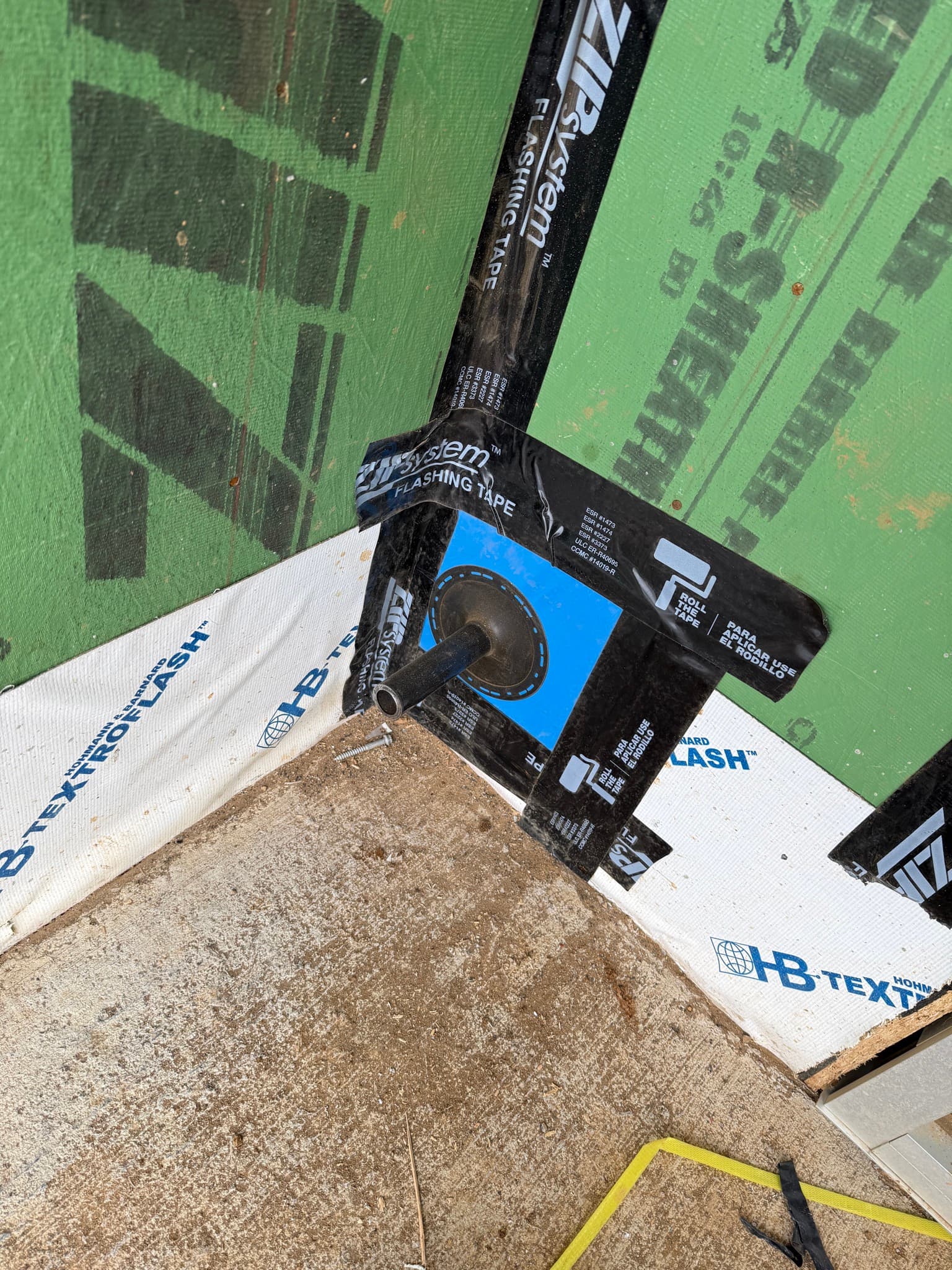
An on-site inspection verifies that air barrier continuity, insulation placement, and thermal bridge details match the approved design.
Airtightness Testing
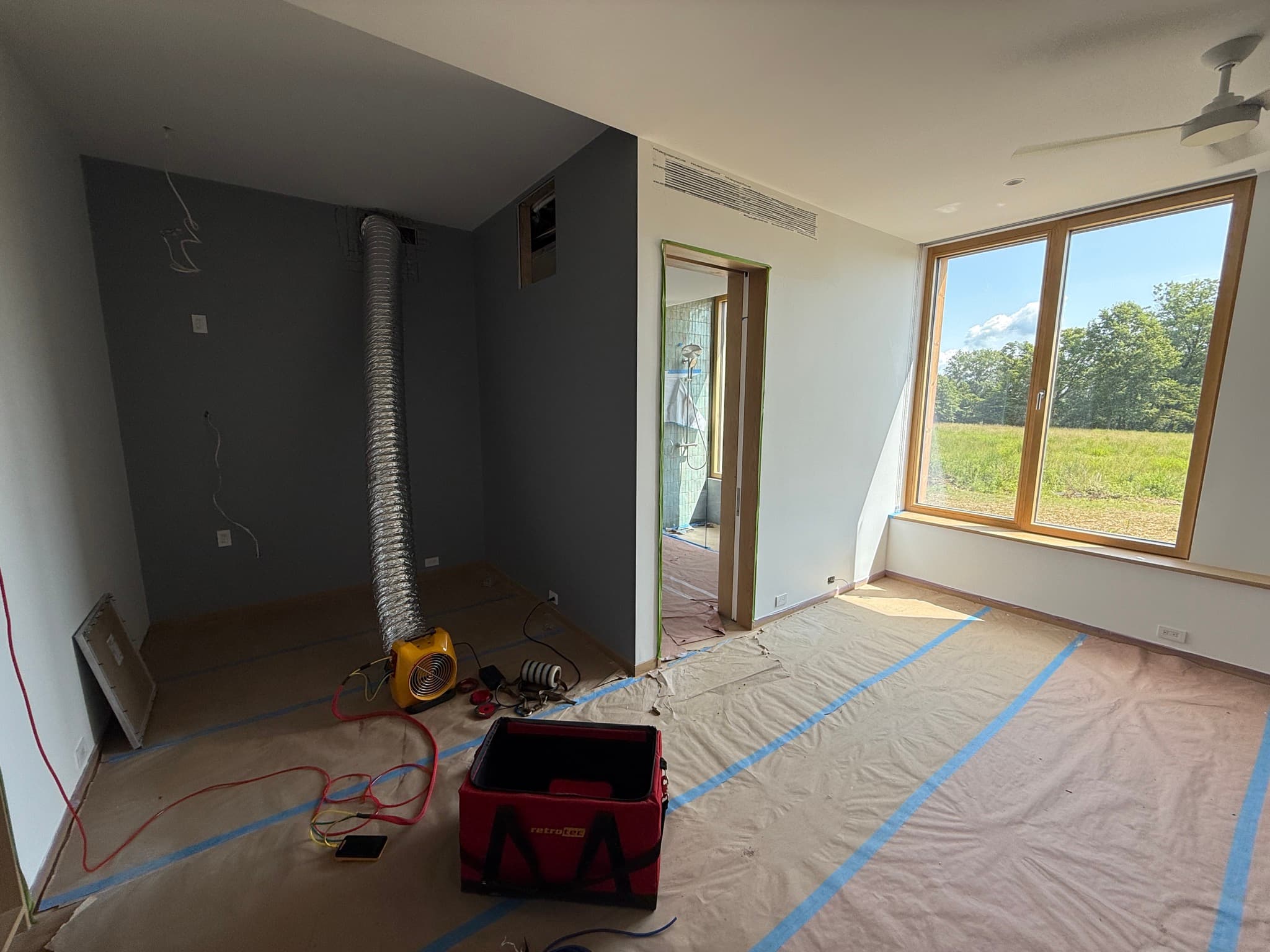
We conduct a PHIUS-compliant blower door test targeting 0.06 CFM50/ft² or below. Results are logged and submitted directly to PHIUS.
Final Inspection
We confirm mechanical system installation, ventilation commissioning, window and door performance, and all remaining certification checklist items.
Certification Submission
We compile and submit all verification documentation to PHIUS on your behalf, coordinating any required follow-up until the certificate is issued.
Key Performance Metrics
PHIUS airtightness target, roughly 5 times tighter than IECC code minimum for residential
Climate-specific annual heating load limit in kBtu/ft²·yr set by the PHIUS+ 2021 standard
Annual cooling load limit accounting for latent loads, especially critical in humid climates
Total annual source energy budget in kBtu/ft²·yr ensuring overall building efficiency, not just envelope
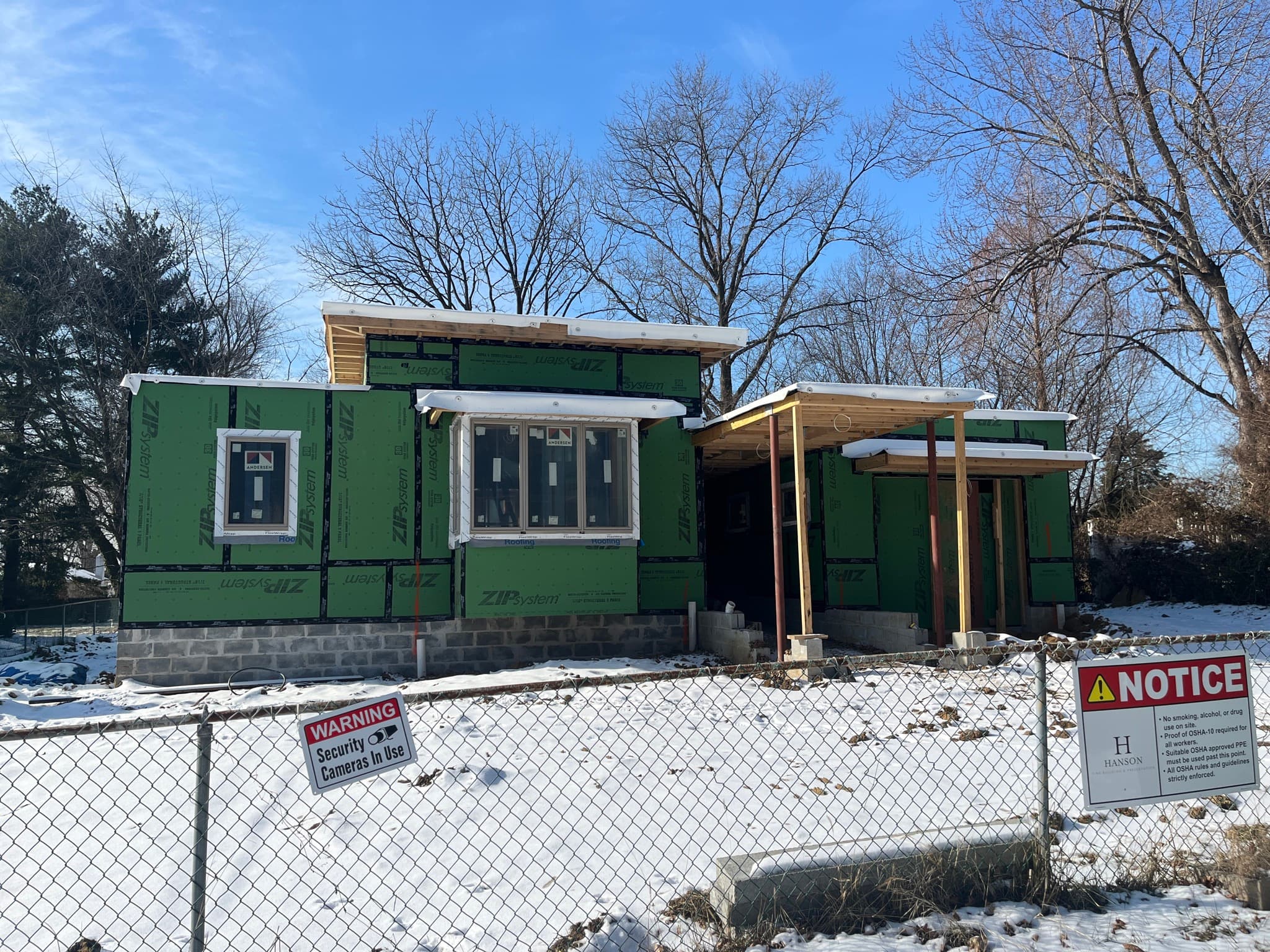
Buildings We Certify
What's Included
We handle every deliverable required for PHIUS certification, from initial design review through final certificate submission.
- Energy model review and compliance verification
- PHIUS+ checklist documentation for all site visits
- Blower door test report meeting PHIUS submission requirements
- Ventilation commissioning verification
- Thermal enclosure and window installation verification
- HVAC system and duct performance verification
- Direct submission of all documents to PHIUS
- Coordination with PHIUS through certificate issuance
Deep Roots in the Passive House Community
Over 20 years of involvement in passive house and high-performance construction. Founding member of the Greater Philadelphia Passive House Association and contributing author to the Passive House Rowhouse Manual, a reference guide for one of the most challenging building typologies in the region.
That depth of experience means we understand not just the certification requirements, but the practical construction challenges that determine whether your project hits the numbers.
Common Questions
What is a PHIUS Verifier and why do I need one?
A PHIUS Certified Verifier is an independent third-party professional trained and credentialed by PHIUS to inspect and certify that a building meets the PHIUS+ standard. Certification cannot be self-reported. An approved verifier must conduct site inspections and airtightness testing and submit documentation directly to PHIUS.
When should I bring a verifier onto the project?
As early as possible, ideally during design development. Early engagement allows us to review the energy model and construction details before they are locked in, catching potential compliance gaps before they become expensive field problems.
How many site visits are required?
PHIUS certification typically requires a minimum of two site visits: a rough-in inspection and a final inspection that includes blower door testing. Additional visits may be needed for complex projects or if corrections are required.
What airtightness level does my project need to achieve?
PHIUS+ 2021 requires 0.06 CFM50/ft² of total enclosure area or better. This is significantly tighter than the IECC code minimum of 3 ACH50 for residential. Achieving this requires careful detailing of the air barrier at all penetrations and transitions.
Can PHIUS certification satisfy other programs at the same time?
Yes. A PHIUS+ certified project can simultaneously qualify for Energy Star for New Homes, DOE Zero Energy Ready Home (ZERH), and EPA Indoor airPlus. We coordinate all required documentation across programs to minimize your overhead.
How long does the certification process take?
Timeline varies by project complexity. Simple single-family projects with a clean design typically complete certification within 3–5 months of final inspection. We track all open items and communicate directly with PHIUS to keep your project moving.
Ready to Certify Your Project?
Share your project details and we will outline the verification scope and timeline within one business day.
Start Your Project